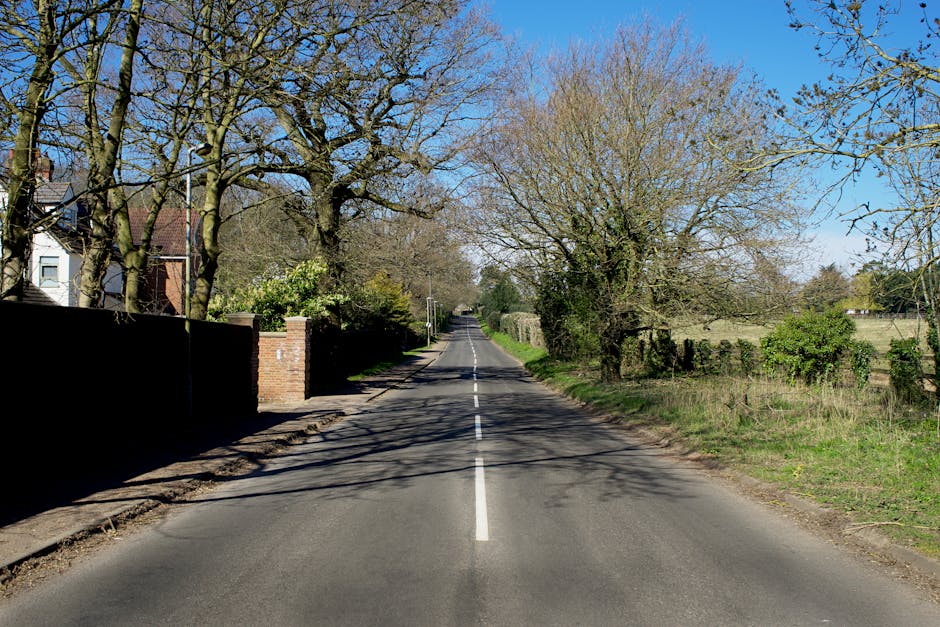
Aldborough Hatch Lane Removals: Streetside Access Tips
Posted on 26/05/2026
Aldborough Hatch Lane Removals: Streetside Access Tips for a Smoother Move
Streetside access can make or break a moving day. If your van cannot stop close to the door, even a straightforward move can turn into a long chain of extra steps, more lifting, and avoidable delays. That is why Aldborough Hatch Lane Removals: Streetside Access Tips matter so much: they help you plan for the realities of curb space, vehicle positioning, safe carrying routes, and neighbour-friendly loading before the first box is touched.
Whether you are moving out of a flat, a family home, or a small business premises, the aim is the same: reduce distance, reduce risk, and keep the loading process organised. In practice, that means thinking ahead about access, timing, property layout, and what a removal van can actually do on the day. A little preparation goes a long way. Sometimes a lot further than people expect.
This guide covers how streetside access works, why it matters in Aldborough Hatch Lane removals, how to prepare properly, and the practical mistakes that cause most of the stress. It also includes a checklist, comparison table, and answers to common questions so you can make sensible decisions with confidence.

Why Aldborough Hatch Lane Removals: Streetside Access Tips Matters
Access is one of the most underestimated parts of any move. People often focus on packing, labels, and dates, but overlook the distance between the front door and the vehicle. That distance decides how many trips the crew will make, how much time the move takes, and how exposed your items are to knocks, weather, or awkward handling.
On a narrow residential street, even a few extra metres can matter. A sofa that would have been carried cleanly from hall to van may need a longer carry around parked cars, bins, low walls, or tight bends. A fridge, mattress, or wardrobe becomes more difficult to control. And if the route is blocked unexpectedly, everything slows down.
This is particularly relevant for house removals in Aldborough Hatch, flat removals, and smaller jobs such as student moves or single-item transport. The more limited the access, the more valuable careful planning becomes. If you are comparing different ways to move, it is worth looking at the service fit as well as the vehicle size. Our services overview is a useful place to start if you want a wider view of the available options.
Good access planning also helps with expectations. You are less likely to be surprised by timing changes, parking challenges, or the need for carrying equipment. That calm, practical approach is usually what keeps moving day under control.
How Aldborough Hatch Lane Removals: Streetside Access Tips Works
Streetside access planning is essentially the process of making sure a removal van can park, load, and depart with minimal obstruction. It starts before the move, not during it. The best moves are the ones where the route from property to van has been considered in advance.
In a typical scenario, the mover or customer assesses the street layout, vehicle stopping point, doorway width, pavement width, turning space, and any likely obstacles such as railings, low branches, parked cars, or uneven ground. If access looks tight, a smaller vehicle, a different arrival time, or a more structured loading plan may be needed.
For many customers, a service like man and van in Aldborough Hatch or a dedicated removal van is a practical fit because the setup can be matched to the street and the load. For larger homes or more complex moves, house removals may offer more coordinated handling across rooms, furniture, and access points.
The process usually follows a simple logic:
- Review the property and street layout in advance.
- Identify where the van can safely stop.
- Plan the carry route from each exit point to the vehicle.
- Prepare bulky items and boxes in a loading-friendly order.
- Keep the route clear on the day so loading can happen efficiently.
That may sound straightforward, but the detail matters. A small adjustment, such as moving bins the night before or checking whether neighbours have planned parking, can save real time. For broader help with move planning, the guide on stress-free house move strategies is a useful companion read.
Key Benefits and Practical Advantages
Streetside access preparation does more than make the day look organised. It creates practical advantages that affect cost, safety, and the condition of your belongings.
- Faster loading: shorter carry distances mean less wasted time and fewer pauses.
- Lower damage risk: furniture is easier to control when the route is direct and clear.
- Better safety: fewer awkward turns and less carrying over obstacles reduces the chance of strain or slips.
- Less disruption: good planning helps avoid blocking neighbours, entrances, or traffic for longer than necessary.
- More accurate scheduling: if access is known in advance, the move can be estimated more realistically.
There is also a quieter benefit: better decision-making. Once you know how the street behaves, you can choose the right approach for packing, vehicle size, and loading order. That matters whether you are moving one room's worth of items or an entire household.
Where furniture handling is a key concern, it can help to review specialist support like furniture removals in Aldborough Hatch. Large wardrobes, shelving, sideboards, and awkward pieces are often where access planning pays off most.
And if access is genuinely difficult, the right solution may be to break the job into phases. In some cases, a temporary storage option in Aldborough Hatch can reduce pressure by letting you move in stages rather than all at once.
Who This Is For and When It Makes Sense
This kind of planning is useful for almost anyone moving from or around Aldborough Hatch Lane, but it is especially valuable in a few common situations.
Flat moves often involve shared entrances, limited parking, stairs, or narrow access paths. If that sounds familiar, you may also want to read about flat removals in Aldborough Hatch, where access considerations are often central to the whole job.
Student moves are another obvious case. Students usually want speed, cost control, and minimal hassle. A small van or tailored service can work well, provided loading access is thought through. For that kind of move, student removals in Aldborough Hatch can be a sensible fit.
Households with bulky furniture benefit because sofas, beds, wardrobes, and appliances are much easier to move when the van can park close by. A route that looks fine for boxes can become a problem when there is a fridge freezer or double mattress in the mix. If you are tackling those items, the related guides on moving a bed and mattress and storing a freezer safely are both worth a look.
Office moves and business relocations also need solid access planning, especially where timing is tight and the street cannot be blocked for long. If your move involves desks, filing, screens, or equipment, take a look at office removals.
In short: if your move includes bulky items, a tight street, shared parking, or any time pressure, streetside access planning is not optional. It is part of the move itself.
Step-by-Step Guidance
Here is a practical way to approach access planning without overcomplicating it.
- Walk the route from front door to street. Look for steps, tight corners, low obstacles, sloping pavements, and anything that may catch wheels or hands.
- Measure the key pinch points. Door width, hallway bends, stair landings, and gate openings all matter more than people expect.
- Check the street for parking pressure. If neighbours or local traffic usually fill the road, think about the best loading window.
- Decide which items need first-pass access. Large furniture should not be buried behind lots of small boxes on moving day.
- Prepare packing so the loading route stays clear. Keep essentials separate and avoid leaving loose items in the way. If you need help with materials, packing and boxes in Aldborough Hatch is a practical resource.
- Assign an unload/load point. Even a temporary position on the kerbside or a nearby safe stopping area can make a big difference.
- Use the right equipment. Trolleys, blankets, straps, and gloves can reduce both strain and damage.
- Keep communication simple. One person should direct, not everyone at once. That little bit of discipline prevents a surprising amount of confusion.
A helpful rule is this: the more difficult the access, the more your move should be organised around the loading sequence rather than the order items happen to be packed. Boxes can wait. The van cannot.
For a broader view of moving preparation, the article on decluttering before you move can help you reduce volume before access becomes a problem. Less clutter means less handling, and that is nearly always a win.
Expert Tips for Better Results
Access problems are often solved by small choices rather than dramatic intervention. These are the details that experienced movers tend to look for first.
1. Treat the street like part of the property
People often think only about the home itself, but the street is part of the operational space. If the van is parked too far away, the move becomes slower. If it is parked too close to a blind bend or an awkward junction, it can create a safety problem. Good planning balances both.
2. Put the heaviest items nearest the door
This reduces the number of times they need to be moved. A piano, wardrobe, or large chest of drawers should not be carried past piles of small boxes if it can be avoided. For especially tricky items, professional help is worth considering, and the risks are explained clearly in this guide to piano moving risks.
3. Protect the route as well as the item
Floor runners, blankets, and proper lifting technique are not just about protecting your furniture. They also protect walls, skirting, door frames, and the people carrying the load. If you want a solid refresher on safe handling, the articles on kinetic lifting and lifting heavy objects safely are excellent supporting reads.
4. Keep the most awkward pieces in mind early
Mattresses, sofas, and freezers are the items that often slow everything down. They are large, inflexible, and awkward at corners. If any of these are part of your move, it helps to plan their route first rather than last. For storage-related handling, see sofa storage advice.
5. Leave a margin for the unexpected
Even the best-planned move can face a neighbour's parked car, a delivery van, or a sudden weather change. A little flexibility in timing can save a lot of friction. Truth be told, moving day rarely follows the script perfectly anyway.
If you want a move handled with strong safety awareness, it is sensible to review insurance and safety information before booking. It helps you understand the standards and reassurance you should expect.

Common Mistakes to Avoid
Most access issues are not caused by bad luck. They come from avoidable oversights. Here are the big ones.
- Assuming the van can always park right outside. Streets can be busier than expected, and access can change quickly.
- Leaving bulky items until last. That creates a bottleneck when the crew needs the route to be clear.
- Ignoring hallway or stair corners. A sofa that fits through the door may still fail at the bend.
- Not checking loading height or kerb conditions. Uneven ground and high kerbs can make wheeled movement awkward.
- Underestimating weather. Rain, mud, or ice make streetside handling slower and more hazardous.
- Forgetting to communicate with neighbours. A polite heads-up can prevent avoidable tension if temporary access is needed.
- Trying to lift too much without help. That is where strains and dropped items happen. If you are unsure, bring in support rather than forcing it.
One common mistake deserves special mention: packing efficiently but loading inefficiently. The two are not the same thing. A perfectly labelled box still wastes time if it is hidden behind three wardrobes and a dismantled bed frame.
For a more structured move, it may also help to work with a local removal service in Aldborough Hatch that can match vehicle choice and handling to the access conditions.
Tools, Resources and Recommendations
The right tools do not make a poor plan perfect, but they can make a good plan much more effective. In access-sensitive moves, these are especially useful:
- Furniture straps for better grip and control
- Two-wheeled sack trucks or dollies for boxes and heavier items
- Protective blankets to guard furniture and door frames
- Gloves with grip for safer handling in wet or cold conditions
- Floor protection for high-traffic carry routes
- Labels and colour coding to speed up load order
- Measuring tape for doors, corners, and awkward furniture pieces
For materials and packing support, packing supplies and boxes can make preparation easier, especially if you are aiming to stack items by unloading priority. If you are trying to simplify the move before the van arrives, the guide on creative packing solutions offers practical ideas without overcomplicating the process.
If you need a move completed quickly, a local same-day removals service can be useful, but only if access is reasonably clear and the load can be prepared efficiently. Speed and access go hand in hand.
Law, Compliance, Standards, or Best Practice
Moving home or business items is not usually about heavy regulation, but there are still sensible UK standards and duties to keep in mind. The most important is simple: vehicles must be parked and loaded safely, without creating unnecessary danger or obstruction. That means keeping entrances usable where possible, avoiding unsafe loading on the carriageway, and being considerate to neighbours and other road users.
In practice, best behaviour matters as much as formal rules. A crew should think about safe lifting, avoid damaging pavements or walls, and use equipment correctly. Customers should avoid pressuring anyone to take unsafe shortcuts just to save a few minutes. If access is too tight, a different plan is usually the right answer.
It is also sensible to review the business policies that support a trustworthy move. For example, health and safety information shows how safety is approached, while terms and conditions help set expectations around service scope and responsibilities. If you care about how your data is handled during quote enquiries, the privacy policy is also worth checking.
For customers comparing providers, trust signals matter. Clear communication, realistic scheduling, transparent pricing, and a willingness to discuss access limitations are all good signs. If you want to learn more about the company behind the service, the about us page is helpful.
And if you are evaluating quotes, it is wise to ask how access conditions affect timing or equipment. Good providers will usually explain this plainly. That clarity is part of the service, not an extra.
Options, Methods, or Comparison Table
Different access situations call for different approaches. The right choice depends on distance, load size, parking pressure, and how quickly you need the move completed.
| Approach | Best for | Strengths | Limitations |
|---|---|---|---|
| Standard kerbside loading | Clear streets with close parking | Fast, simple, efficient | Not always possible in busy or narrow roads |
| Smaller van or man-and-van setup | Limited access, flats, small loads | More flexible positioning, easier to manoeuvre | May require more trips for larger moves |
| Full removals service | Households with larger furniture or more items | Better coordination, more handling support | May be more than needed for tiny moves |
| Split move with storage | Tight schedules or limited access | Reduces pressure and helps stage the move | Requires extra planning and possibly additional handling |
If you are uncertain which route makes sense, compare the access conditions with the size and fragility of your belongings. For a large sofa, piano, or bed set, a method that saves a few pounds but creates difficult lifting is often a false economy.
Case Study or Real-World Example
Imagine a typical flat move on Aldborough Hatch Lane. The tenant has a double mattress, a two-seat sofa, several medium boxes, and a small fridge freezer. The street is narrow, with regular parked cars and limited turning room. On paper, the move seems manageable. In practice, it needs more thought.
First, the mattress and sofa are identified as priority items because they are the most awkward to angle through the hall and down to street level. The fridge freezer is checked in advance so the loading route can be cleared and, if needed, the appliance is wrapped properly. Boxes are packed by order of unloading priority rather than by whatever fit where.
Instead of assuming the van can park directly outside the entrance, the loading point is planned with a little flexibility. A smaller vehicle or flexible parking choice helps reduce carry distance. The result is a quieter, more controlled move: fewer stops, fewer people blocking the route, and much less strain.
That kind of scenario is common. It is not dramatic, just practical. And that is the point. The best access planning usually looks uneventful because it prevents the chaos in the first place.
For items like the sofa and freezer in this example, you may find these guides useful: sofa care during storage and freezer storage safety. They help bridge the gap between packing and delivery.
Practical Checklist
Use this checklist the day before the move and again on the morning itself.
- Confirm the address, access point, and preferred parking position.
- Check that hallways, stairways, and doors are clear.
- Move bins, bikes, and loose items away from the route.
- Reserve or negotiate access if parking is likely to be tight.
- Set aside essentials that should not go into the van first.
- Prepare blankets, straps, tape, and labels.
- Identify fragile, heavy, or awkward items before loading starts.
- Keep children and pets safely out of the loading path.
- Make sure someone is available to guide the van if needed.
- Check weather conditions and protect the route if it is wet or slippery.
- Have contact details ready for the mover or removal company.
Expert summary: the smoother the streetside access, the more predictable the move. Focus on the path, the parking, the load order, and the heavy items first. If one of those four is ignored, the whole job usually feels harder than it should.
Conclusion
Streetside access is not a minor detail in Aldborough Hatch Lane removals. It is the practical backbone of the move. When access is planned properly, loading is faster, handling is safer, and the entire day feels more manageable. When it is ignored, even a small move can start to feel stretched, awkward, and unnecessarily stressful.
The best approach is simple: assess the street, choose the right moving method, prepare bulky items early, and keep the loading route clear. If your move includes heavy furniture, awkward appliances, or limited parking, do not leave access to chance. A few minutes of planning can save a lot of time and effort later.
If you are comparing local options, reviewing service pages, or planning a specific move date, now is the right time to take the next step.
Get a free quote today and see how much you can save.